How to make an alcohol shipment, for beginners
The global alcoholic beverages market is projected to have a significant market value. According to a Statista, the wine, beer and spirits market is expected to reach a peak value by 2028, by in total 384.4 billion U.S. dollars (+22.4 percent). This growth is driven by various factors, including changing consumer preferences and increased demand for diverse beverage options. This reflects a broader trend in the alcoholic beverages' industry, where both at-home and out-of-home sales are contributing to the expansion of alcohol shipment as well.
The continued growth forecasted to 2028 demands a reliable transport solution that maintains the quality of the label, the packaging and most importantly the beverage itself. So, what are the challenges of making an alcohol shipment? Let's start by exploring what is meant by wine, beer and spirits.
What defines wine, beer and spirits?
Wine
Wine as a fermented beverage is highly susceptible to quality change due to temperature and humidity. To avoid wine quality deterioration, temperature requirements must be between +10°-20°C / 50-68°F. To help consistent temperature and maintain beverage standards, it is essential to select the optimal shipping container
Beer
Beer like wine is made through fermentation and as such requires its own unique storage and shipment methods. Although beer comes in a huge variety of styles, the shipment requirements are much the same as wine and the key consideration is climactic conditions within the container.
Spirits
Spirits vary from beers and wines, as they are produced via the distillation of fermented grains, fruits, or vegetables which concentrates their alcohol content and results in beverages such as whisky, rum, gin, vodka, tequila or brandy. Spirits have a higher alcohol by volume (ABV) percentage, ranging from around 40% to over 70% which means they can be identified as dangerous liquids (DG). As such, ISO tanks are often used as a method of transport.
How to ship wine, beer and spirits
In order for your alcohol shipment to safely and successfully pass from origin to destination, there are a number of considerations, with which Hillebrand Gori can provide support and guidance. Firstly, you must understand the type of alcohol shipment service required, as well as documentation and customs, regulations, taxes.
Types of shipping
Firstly, it is important to establish what type of alcohol shipment is being transported. There are two types of container shipping options, both with distinct advantages:
- Full Container Loads (FCL): where beers, wines and spirits are transported, usually on pallets and the amount of pallets fills the container.
- Only your products in your container
- Less risk of damage and less handling time
- Direct shipping to destination
- Cost reduction, the total freight cost per pallet is lower
- Time efficiency, faster import and customs clearance
- Less than Container Loads (LCL): where beverages are transported by pallet in a grouped container.
- Economical, shipping an entire container is more expensive than shipping a pallet
- Flexibility, ship the exact volumes demanded at the destination
- Lean inventory closer to the point of sale (POS), respond to market trends quicker
- Improved cash flow, no funds tied up in idle stock
- Hillebrand Gori only ships beverages, so there is no risk of cross contamination
- Most Hillebrand Gori LCL routes use insulated or refrigerated containers to protect the quality of the beer, wine or spirits
Documentation and customs
Before your alcohol shipment can enter or leave a country, it must clear customs. This means that the customs authorities will review, verify and approve the alcohol shipment paperwork before it can be released from the port of arrival.
To avoid shipping delays, whether shipping with LCL or FCL, you must ensure your documentation is in order. The following documentation may need to be submitted to clear customs:
- Bill of lading
- Sea or Air Waybill (AWB)
- Certificate of origin (if required)
- Organic certificate (if required)
- Commercial invoice
- Export/import customs declaration
- Packing list (PL)
- Arrival Notice
- Letter of Credit
- Export/ Import License
Keep in mind that there is also a custom clearance fee, which is a charge for the services carried out by customs after you submit these documents. This is included in your freight quote by Hillebrand Gori, but other providers are not able to offer this service, so it’s best to check.
Regulations
In addition to providing the correct documentation, regulations pertaining to the import and export of an alcohol shipment must be taken into consideration. Each country has its own specific regulations which dictate:
- Labelling requirements
- Packaging standards
- Health and safety regulations
- Taxation and duties
- Licensing
- Documentation
It’s worth noting here that transporting spirits in some instances is classed under hazardous goods, so the logistical process requires a different approach.
Taxes
There are different taxes applied to alcohol shipments depending on the country of origin and destination. The most commonly applied taxes are import duties, excise taxes and Value Added Tax (VAT). VAT is a kind of consumption tax distinct from customs duty and holds great significance for the European Union (EU). This tax is levied on domestic and imported goods and services. Australia and New Zealand both have a Goods and Services Tax (GST) that is the same as VAT.
What are the methods of alcohol shipment?
With LCL, you can send smaller quantity alcohol shipments such as bottles, cans, cases and pallets. If you’re looking to send samples, Hillebrand Gori have got you covered.
For larger quantities or specific beer, wine or spirit requirements, you may need a full container. Choosing the correct one to shield your wine or beer from humidity and temperature is key. There are three main types of container:
- Dry storage container. Used for shipping dry materials, these shipping containers are usually 20ft or 40ft in size and come in a variety of dimensions. For spirits, this is an ideal solution, as they are not negatively impacted by climatic changes. For bulk shipping wine, dry containers can also transport a flexitank, which is a robust fillable bag made of a single or multiple layers of food-grade polyethylene. Using a flexitank can double the volume transported in a single container compared to bottled wine. A flexitank holds 24,000 litres, whereas a conventional 20-foot container can fit around 9,900 litres of wine.
- Insulated (lined). This is a dry container fitted with an insulation liner. It’s used for wine and beer that need protection against thermal shocks, humidity infiltration, condensation, cross-contamination, and odors. Hillebrand Gori's insulation liner limits the temperature rising more than 11°C, from loading temperature on journeys longer than 30 days.
- Refrigerated (also known as ‘reefer’). A temperature-regulated container for perishable and sensitive wines and beers that require temperature precision. There is no better way to ensure that your alcohol shipment will arrive at destination with the same quality as it left. Fitted with a refrigeration unit that’s managed via a control panel, along with fans, vents, and a condenser, cool air is circulated to maintain a temperature between −30°C and +30°C as well as dry humidity.
Bulk
Bulk wine transportation is the process of shipping large quantities of wine in containers using flexitanks or ISO tanks.
- ISO tanks are made out of stainless steel, with insulation, as well as a protective layer of aluminium or polyurethane. Spirits are quite often transported in these due to their high ABV. They are reusable as they can be cleaned after each use.
- A flexitank allows for wine bottling at the destination, which means you can respond to market trends and customer packaging demands faster. The Hillebrand Gori flexitank is complete with a patented barrier technology that protects against oxygen migration and taint compounds.
Support with your alcohol shipment
Hillebrand Gori will manage your alcohol shipment from documentation and customs, to safe and secure transport. Contact us today to discuss your next alcohol shipment.
Reviewed by Hillebrand Gori
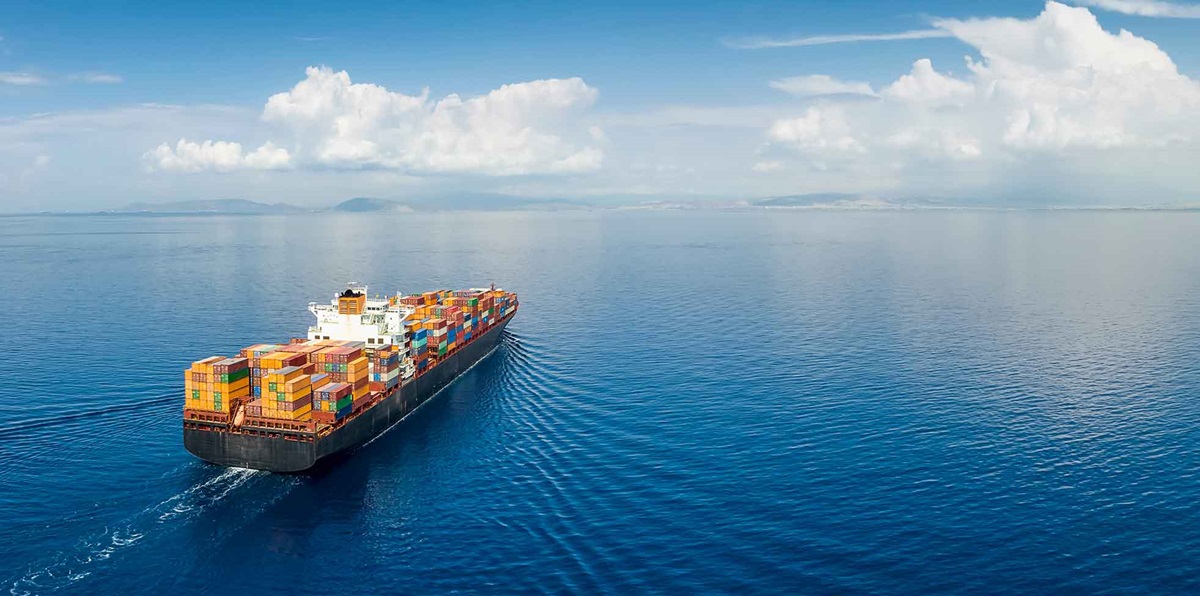
The process of alcohol shipment begins with the delivery of an empty dry, insulated, or refrigerated container to the exporter for loading. Once the container is ready, it is transported by truck to the port, where customs export documentation, duties, and taxes are approved. The container is then loaded onto a ship, which embarks on its journey to the final destination. Upon arrival at the destination port, the container is cleared by customs, after which it is delivered to the importer by road or rail.
The best container will depend on the quantity, temperature and humidity requirements of your beer, wine or spirits.
How can we help your business grow?