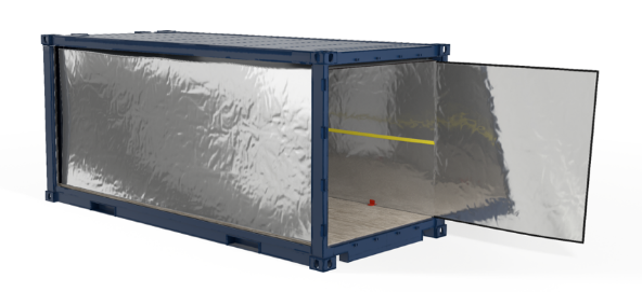
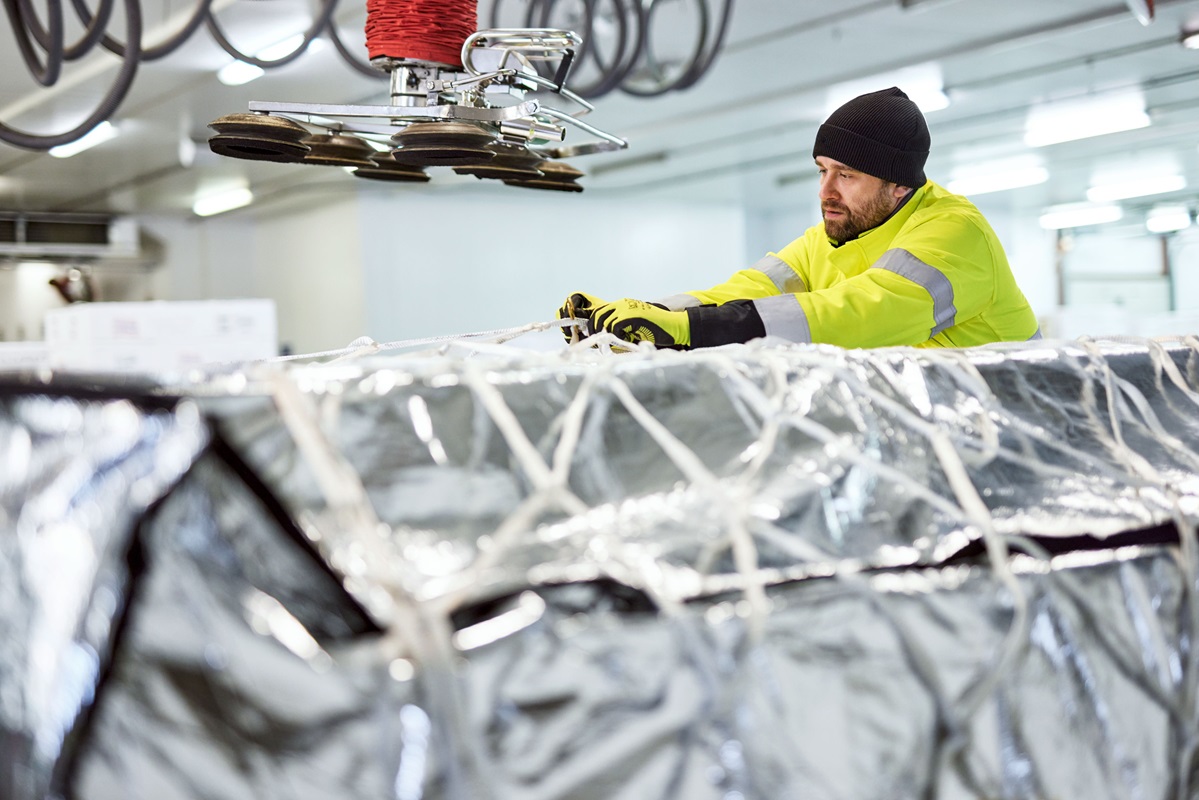
Our patented insulation liners are fitted inside dry containers to protect beverage quality and packaging integrity during transport. They provide a cost-effective alternative to refrigerated containers when active temperature control is not required. Temperature fluctuation during sea shipping can expose wine, beer and spirits to thermal shock, condensation and humidity stress. We design and manufacture insulation liners specifically to reduce these risks across global trade lanes.
An insulation liner is a radiant heat barrier installed inside a dry container to reduce internal temperature variation and manage humidity during wine, beer and spirits shipping. It reflects radiant heat from container walls and limits temperature ingress during hot exposure. Certain models incorporate breathable membrane ceilings that stabilise humidity and reduce condensation risk.
The result is a moderated container environment designed specifically to support beverage stability throughout the journey.
Dry containers absorb heat quickly. In high-exposure zones, internal temperatures can rise well above ambient conditions. Insulation liners reduce thermal shock by buffering day–night temperature swings and limiting rapid heat build-up inside the container. By moderating humidity levels, they also reduce the likelihood of condensation, commonly referred to as container rain.
Insulation liners deliver passive temperature moderation, while reefer containers provide active, continuous temperature control. Insulation liners are appropriate when temperature buffering is required to reduce fluctuation and humidity stress (VinLiner Integral only). Reefer containers are typically selected when exposure is Extreme or when contractual specifications require continuous temperature control. Selecting the correct solution depends on route risk, beverage sensitivity and commercial requirements. Each shipment should be assessed individually.
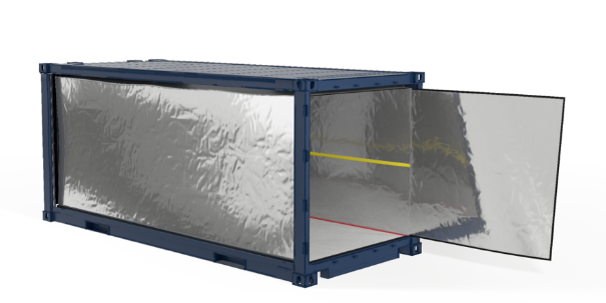
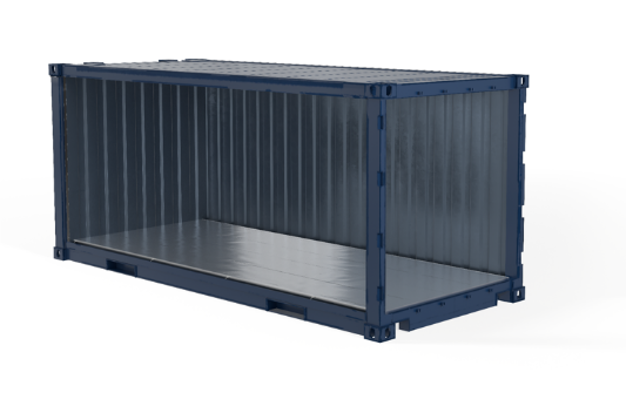
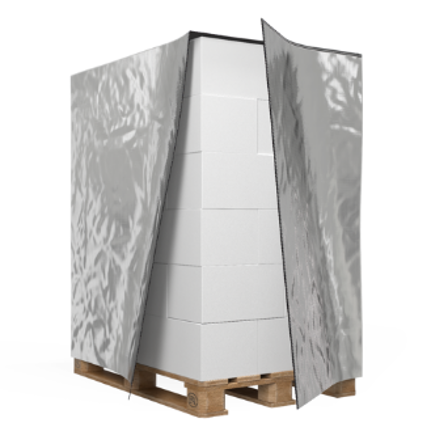
We offer a range of VinLiner solutions designed to address different levels of temperature exposure and shipment size.
![]() | ![]() | ![]() | ![]() |
| VinLiner Integral | VinLiner Floorless | VinLiner Floor Cover | VinLiner Pallet Covers |
Insulation liners are typically selected when:
They provide moderated protection where seasonal exposure is High or Very High, but not sustained at Extreme levels requiring continuous active control.
A dry container fitted with an insulation liner produces materially, lower CO₂ emissions compared to refrigerated containers on comparable trade lanes.
For importers balancing beverage protection with sustainability objectives, insulation liners provide a structured approach to reducing transport-related emissions while maintaining quality stability.