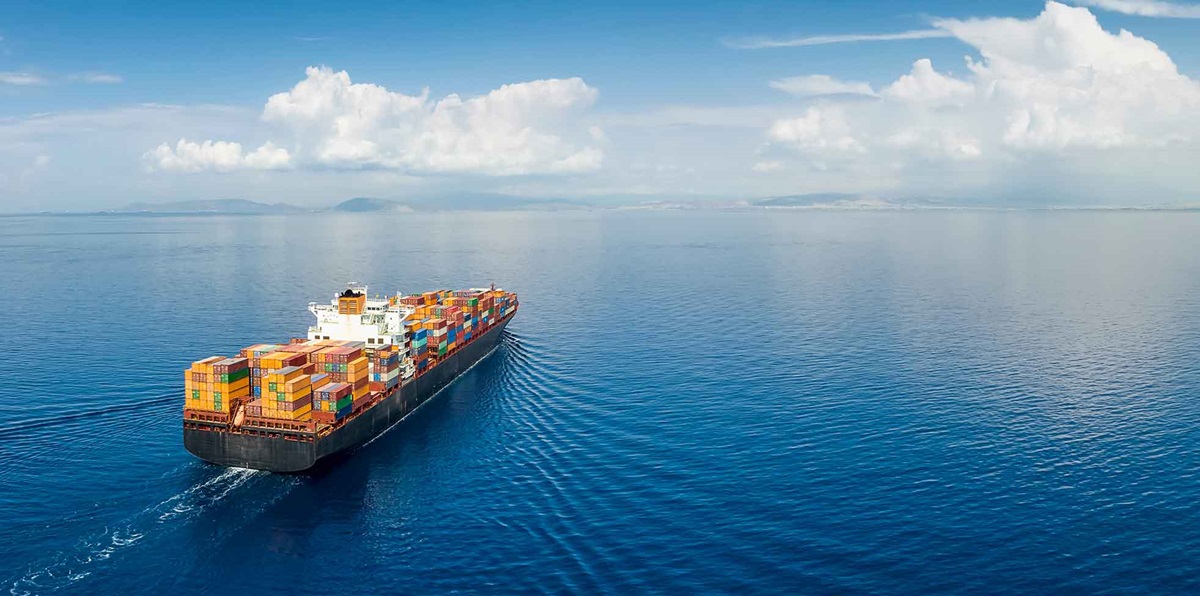
Red Sea Shipping Disruption and its Global Impact
The Red Sea shipping route is a major trade route for goods travelling between Asia, the Middle East and Europe. The Red Sea is a narrow waterway that joins the Indian Ocean to the Mediterranean Sea via the Suez canal. It is therefore a vital connection for the Asia to Europe, and Europe to Asia Trade Lanes.
However, since December 2023, Houthi rebel attacks have been carried out against commercial shipping in the Bab el-Mandeb Strait that connects the Gulf of Aden to the Red Sea. As a result, all major container shipping lines are no longer using the Red Sea shipping route. The longer diversion around the Cape of Good Hope has significantly increased transit times for shipping journeys between Asia and Europe.
Diverting journeys away from the Red Sea shipping route has caused severe disruption for global supply chains, and continues to impact the wine, beer and spirits industry. Find out everything your business needs to know in this article.

Why the Red Sea Is a Key Shipping Route
The Red Sea shipping route is important for several reasons:
- Strategic Location: The Red Sea provides the shortest maritime route between Asia and Europe, significantly reducing shipping times and costs compared to the alternative Cape of Good Hope diversion.
- Global Trade Corridor: The Red Sea is a major corridor for international trade. Prior to 2024, around 15% of global maritime trade and nearly 30% of global container traffic passed through the Red Sea.
- Major Trade Hub Connections: The Red Sea shipping route connects to major trade hubs, including the Suez Canal, Cape of Good Hope and the Gulf of Aden. It therefore holds immense economic value, facilitating the transportation of goods and commodities between Europe and Asia. Economies in Europe and Asia are heavily dependent on Red Sea trade, including Saudi Arabia, Egypt, Kenya, Uganda and Ethiopia.
- The Red Sea route allows for more efficient transportation of wine, beer and spirits compared to the alternative, longer journey around the Cape of Good Hope. As well as cutting costs, the shorter travel time helps maintain the quality and freshness of wine during transit.
Challenges of Red Sea Shipping
The Red Sea shipping crisis has caused significant disruption to global trade: trade passing through the Suez Canal fell by 50% in the first two months of 2024. The situation presents a clear trade risk for the alcoholic beverage sector. The key challenges include:
- Increased shipping times: the alternative route around the Cape of Good Hope route via South Africa is longer, but does ensure that products and raw materials can still be reliably transported between Asia and Europe and beyond. Re-routing ships from Asia and the Middle East to Europe means vessels must travel an extra 3,500 nautical miles via the Cape of Good Hope in South Africa. This represents around 10 or more days of travelling time.
- Limited shipping capacity: Longer journey times means fewer ships are available. This can limit shipping capacity, extend shipping times and pushing up prices across the supply chain. Safety stock buffers are also likely to have been exhausted during 2024, so importers may no longer have a buffer to minimise the impact of the Red Sea shipping disruption in 2025 and beyond.
- Higher insurance costs: Higher shipping insurance costs are also possible due to the increased risks for Red Sea shipments.
- Increased shipping costs: More time at sea, more fuel and limited capacity means higher shipping costs, depending on the destination.
Russia’s blockade of Black Sea ports following its invasion of Ukraine in February 2022 has created added disruption and impacted the supply chain for raw ingredients such as wheat. The shipping industry has built-in resilience and experience of adapting to these pressures to fall back on. In addition, for some in the alcoholic beverage industry, locally produced products mean they face minimal disruption. However, the uncertainty is ongoing, and it does present a more complex outlook for wine, beer and spirits shipments on affected routes.
How we can help
The Red Sea shipping crisis has undoubtedly created new challenges for the shipping industry, but we can help you navigate the disruption, drawing on our expertise in transporting wine, beer and spirits across the world and through waterways such as the Red Sea.
Whether you want to develop your supply chain resilience or gain insight into the red sea situation, our team of wine, beer and spirits logistics experts can help. Looking for updates on a specific shipment? Track and manage your shipment with our user-friendly tracking system.
Reviewed by Hillebrand Gori
All major shipping companies are currently avoiding the Red Sea, and are rerouting around the Cape of Good Hope.
Disruption to the Red Sea shipping route is primarily due to Houthi attacks on vessels in the region. This has led shipping companies to reroute their vessels around the longer Cape of Good Hope route, which has created delays in shipping due to longer transit times and lower capacity.
Since October 2023, Houthi rebel attacks on commercial vessels in the Red Sea have made it unsafe for shipping. All major shipping companies have rerouted their shipments around the much longer Cape of Good Hope detour instead.
How can we help your business grow?