Life cycle analysis – a look at flexitanks vs ISO tanks
Table of contents
In the complex world of global logistics, transporting wine, beer or spirits in bulk requires careful planning. If you are in the business of importing or exporting these alcoholic beverages, understanding the environmental impact of your transport options is essential. It will allow you to make more informed decisions that align with both your business goals and sustainability efforts. In this article we take a look at a recent life cycle analysis of flexitanks and ISO tanks.
Comparing ISO-tanks and flexitanks: a high-level environmental analysis
For shippers of bulk beverages, two primary methods are available: ISO-tanks and flexitanks. To further understand the environmental impact of these options, our parent company DHL commissioned Eunomia to conduct a life cycle analysis (LCA) of both transport methods. Eunomia is a leading independent environmental consultant and their analysis was peer-reviewed by GEP Environmental UK, ensuring a robust and comprehensive assessment.
Life cycle analysis scope and methodology
Eunomia's Life cycle analysis evaluated three distinct end-to-end shipping scenarios for both ISO-tanks and flexitanks:
- Short-haul route: 1,500 km from Singapore to Thailand
- Medium-haul route: 6,700 km from Germany to the United States
- Long-haul route: 17,700 km from the United Kingdom to the Philippines
The life cycle analysis included all stages of the life cycle of flexitanks and ISO tanks from the sourcing of raw materials for manufacturing, transport to and from depots, outbound shipping, final delivery and end of life treatment. For ISO-tanks on medium and long hauls, additional considerations included local depot return for cleaning and maintenance, with the assumption that an ISO-tank is reused 90-120 times over a 30-year period.
For flexitanks, end-of-life scenarios were based upon energy recovery, landfill and recycling. The assumption made for bulkheads is that they are reused five times during their lifetime and that the shipping line container is reused 120 times during its lifetime.
Key findings: life cycle analysis ISO-tanks vs. flexitanks
The life cycle analysis revealed several critical insights into the environmental impact of using ISO-tanks versus flexitanks:
- Distance matters: The longer the distance traveled, the lower the emissions for flexitanks compared to ISO-tanks. This is primarily due to the CO2 emissions associated with the higher impact of the additional weight and the embodied emissions of the ISO tank.
- Short-haul scenarios: In short-haul situations, ISO-tanks generally have a lower climate impact than flexitanks when a flexitank is disposed of via an energy recovery solution and the bulkhead is not being reused
- Medium Haul scenarios: Flexitank performs better compared to ISO tanks across all impact categories – apart from sending a Single layer flexitank to Energy from Waste
- Long-haul scenarios: In long-haul scenarios, even with low-quality recycling of flexitanks, emissions are 41% lower than those of ISO-tanks.
- Bulkhead recovery: Recovering and reusing bulkheads can result in CO2 emissions savings of up to 50 kg CO2e per flexitank, regardless of the end-of-life scenario for flexitanks.
A balanced approach to bulk transport solutions
The findings from the life cycle analysis underscore the necessity of having both ISO-tanks and flexitanks in global bulk logistics. Each method has its strengths depending on the specific scenario, and the choice between them should be guided by logistical needs, as well as product and environmental considerations. For example, while in some instances spirits must be transported in ISO-tanks, flexitanks may offer a more sustainable option for transport of wine and beer.
Our commitment to lowering the emissions of bulk transport solutions
At Hillebrand Gori, we recognize the importance of sustainability in global logistics and are committed to reducing freight transport emissions. Our initiatives focus on four Rs: Reduce, Recover, Reuse and Recycle. To find out more about how our flexitanks are recycled read this article.
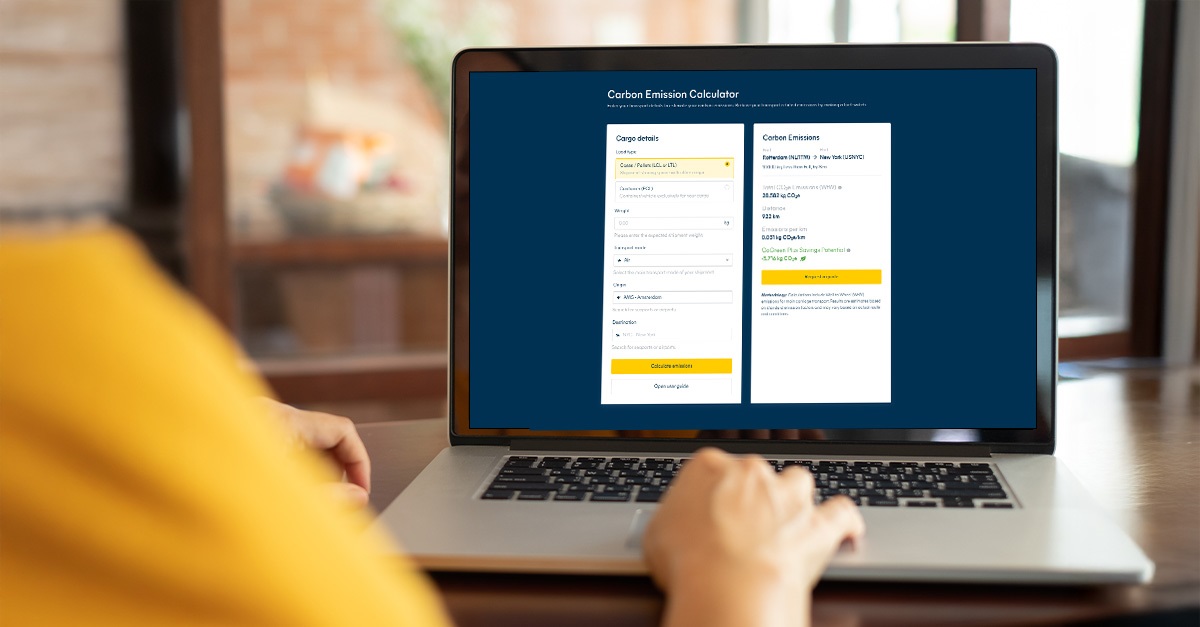
To further support our customers' sustainability goals, we offer the myHillebrandGori platform. This advanced tool provides users with end-to-end visibility and management of their beverage transport, including detailed carbon emissions reporting. By leveraging myHillebrandGori, customers can track and monitor their transport-related carbon footprint, empowering them to make informed choices that align with their sustainability targets.
By continually improving our transport solutions, we aim to reduce the environmental impact of wine, beer and spirits transportation. We are here to help our customers achieve their lower transport emission targets, while safely and efficiently transporting their beverages.
Reviewed by Hillebrand Gori
Flexitanks are large, flexible bags that fit inside standard shipping containers, used for the transport of non-hazardous bulk liquids like wine, beer, and spirits. Unlike ISO-tanks, flexitanks are typically single-use but can offer lower transport costs and reduced environmental impact over long distances due to their lighter weight.
The environmental impact varies depending on the shipping distance and end-of-life scenarios. ISO-tanks are reusable over many years, which, in some situations, can make them more carbon efficient for short-haul routes.
Due to the large volume of liquid traveling in a single chamber (ISO tank or flexitank), there is a greater thermal inertia compared to shipping in bottles. This mitigates the risk of thermal shocks during transport. Hillebrand Gori flexitanks also include a barrier layer to prevent oxygen migration and taint compounds. ISO tanks are built with insulation and are sterilised after each use.
How can we help your business grow?
-(1).png?sfvrsn=10235581_1)
.png?sfvrsn=a4e6bbd0_1)