EU ETS and FuelEU Maritime: what beverage shippers need to know
Table of contents
- Introduction
- What is the EU ETS for maritime transport?
- What changed under EU ETS in 2026?
- Which sea freight movements are covered?
- What is FuelEU Maritime?
- How do EU ETS and FuelEU Maritime work together?
- What could the regulations mean for beverage importers?
- How can GoGreen Plus* support lower-emission sea freight?
- How can Hillebrand Gori help?
EU ETS and FuelEU Maritime now form an important part of the regulatory landscape for European sea freight. For wine, beer and spirits importers, understanding how the two measures work can support clearer cost discussions and sustainability planning.
Both regulations encourage lower maritime emissions, but they use different approaches. EU ETS places a price on emissions. FuelEU Maritime limits the greenhouse gas intensity of energy used on board ships. Their requirements may influence carrier costs, fuel choices and emissions information. This article explains the rules in force during 2026.
What is the EU ETS for maritime transport?
The European Union Emissions Trading System, known as EU ETS, is a carbon market. It requires shipping companies to purchase and surrender allowances for greenhouse gas emissions that fall within the regulation.
Maritime transport entered the system in January 2024. It generally applies to ships of 5,000 gross tonnage and above calling at EU ports, regardless of flag. Specific exclusions and derogations can apply.
Each allowance represents one tonne of carbon dioxide equivalent. The number required depends on the emissions reported and the proportion of the voyage covered. The European Commission’s maritime emissions guidance explains the current scope and phase-in.
What changed under EU ETS in 2026?
Two developments took effect for the 2026 emissions year. First, emissions within scope moved to 100% coverage. Second, methane and nitrous oxide joined carbon dioxide within EU ETS calculations.
The surrender timetable follows the reporting year. During 2026, shipping companies surrender allowances for 70% of their reported 2025 emissions. During 2027, they surrender allowances for 100% of reported 2026 emissions.
This distinction helps explain why references to 70% and 100% may both appear during 2026. One describes the allowances surrendered that year. The other describes the proportion of emissions arising in 2026 that is covered.
Which sea freight movements are covered?
EU ETS generally covers 100% of emissions from voyages between two EU ports. It also covers 100% of emissions produced while a ship is within an EU port.
For a voyage between an EU port and a non-EU port, 50% of the emissions are ordinarily covered. Certain routes, ports and services may be subject to specific treatment under the legislation.
EU ETS exposure can therefore vary between trade lanes. The carrier, routing, vessel emissions and allowance price may all contribute to the calculation. Importers can benefit from reviewing current quotations for each movement.
What is FuelEU Maritime?
FuelEU Maritime has applied since 1 January 2025. It complements EU ETS by setting maximum limits for the annual average greenhouse gas intensity of energy used by ships above 5,000 gross tonnage calling at European ports.
The regulation uses a well-to-wake approach. This considers emissions associated with producing and supplying the fuel, together with emissions from its use on board. Carbon dioxide, methane and nitrous oxide are included.
The required reduction began at 2% in 2025 against the 2020 reference value. It rises to 6% in 2030 and continues in stages towards 2050. The European Commission’s FuelEU Maritime overview provides the full trajectory.
How do EU ETS and FuelEU Maritime work together?
EU ETS and FuelEU Maritime support the same broad direction but perform different roles. EU ETS creates a cost connected to greenhouse gas emissions. FuelEU Maritime encourages a gradual change in the energy used by ships.
The regulations can therefore operate alongside one another on the same voyage. A shipping company may need emission allowances under EU ETS while also meeting FuelEU greenhouse gas intensity requirements.
For beverage importers, the distinction matters. An EU ETS surcharge reflects a regulatory compliance cost. A lower-emission fuel solution can contribute to emissions reduction within the transport chain, depending on the service and accounting approach selected.
What could the regulations mean for beverage importers?
Carriers and logistics providers may review EU ETS and FuelEU related charges as regulatory coverage, allowance prices and fuel costs develop. The amount may differ by carrier and trade lane.
Importers planning wine, beer and spirits sea freight may wish to consider:
- whether the journey is wholly or partly within EU scope
- how current regulatory charges are shown in quotations
- whether lower-emission marine fuel options are available
- what emissions information is needed for internal reporting
- how transport choices align with wider sustainability targets
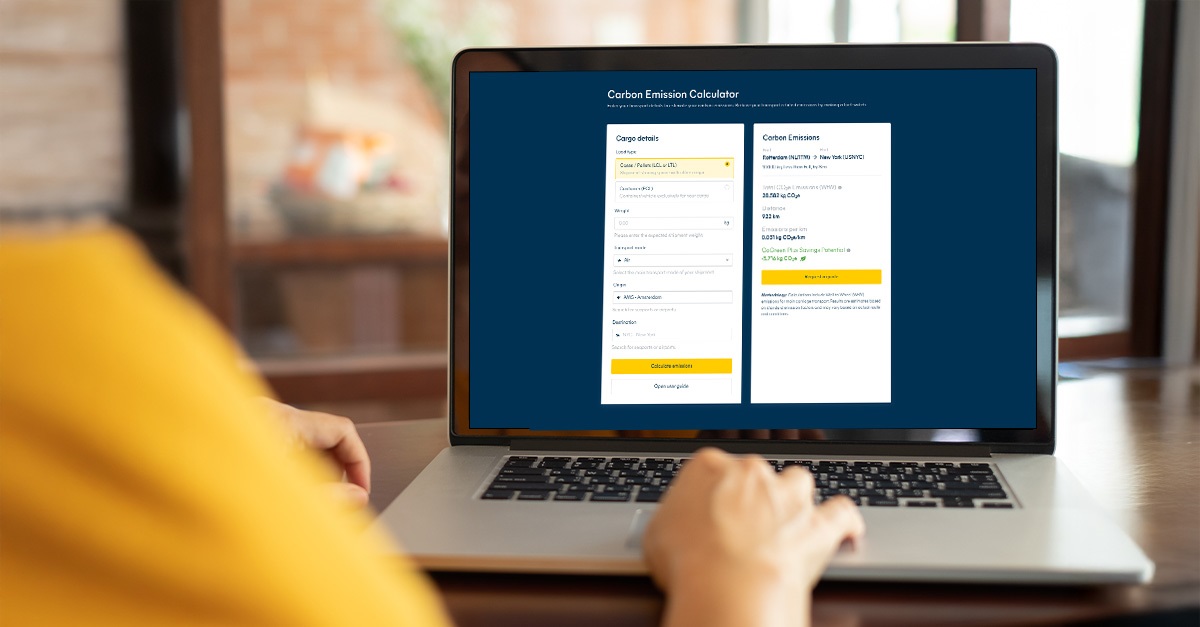
These points can become part of regular procurement and supply chain discussions. Hillebrand Gori’s Carbon Calculator can also help estimate transport emissions before a booking is made.
How can GoGreen Plus* support lower-emission sea freight?
GoGreen Plus* enables customers to choose sustainable marine fuel through a book-and-claim model. The fuel is introduced into the carrier network, although it may not be used on the same vessel or trade lane as the customer’s beverages.
The resulting well-to-wake greenhouse gas emission reduction is allocated through a verified methodology and documented chain-of-custody processes. This indirect allocation can support emissions reporting, subject to the customer’s methodology and applicable requirements.
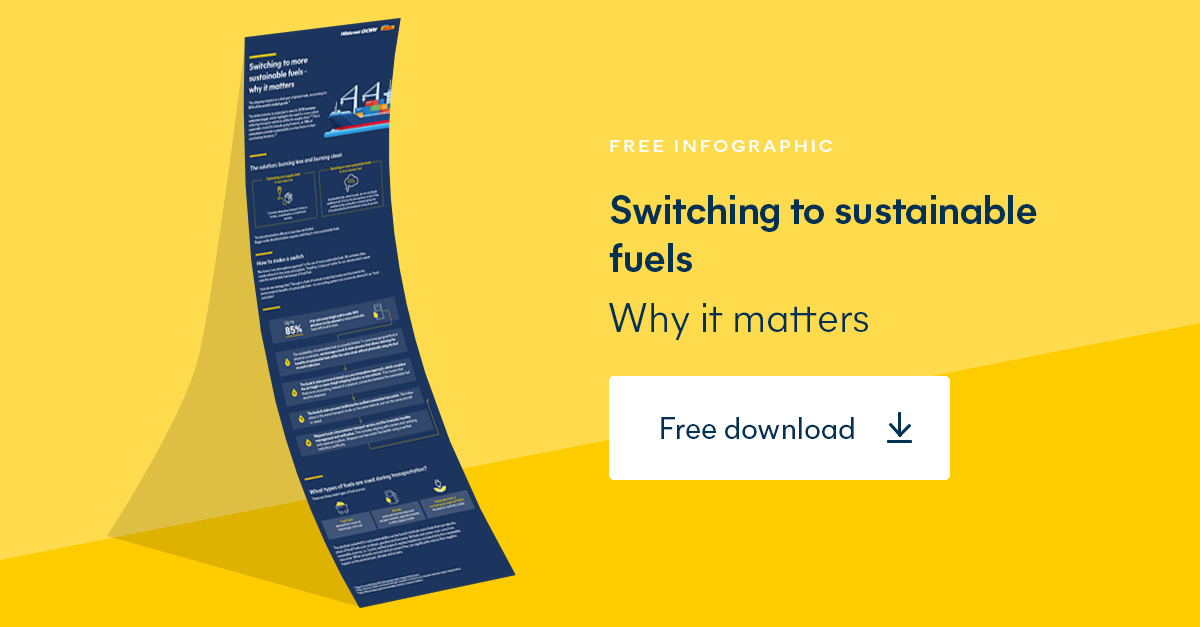
When customers choose an eligible GoGreen Plus* fuel switch, Hillebrand Gori waives the EU ETS surcharge as part of its commercial approach. This does not change the shipping company’s regulatory responsibilities. More detail about the role of sustainable fuels is available in The role of fuel in lowering transport emissions.
How can Hillebrand Gori help?
As a logistics partner specialised in beverages, Hillebrand Gori can help wine, beer and spirits importers understand how current maritime regulations relate to their transport plans.
Specialists can provide information about applicable sea freight charges, discuss GoGreen Plus* options and support access to transport emissions data. Digital tools can also improve visibility when comparing routes and planning future movements.
By bringing regulatory awareness, beverage logistics expertise and lower-emission options together, Hillebrand Gori aims to make logistics easy while supporting informed sustainability decisions.
* GoGreen Plus is a value-added service to a DHL shipment contributing to decarbonization measures within DHL’s logistics network. By using alternative fuels and/or technologies DHL reduces the usage of fossil fuels in the mode of transport used for the GoGreen Plus shipment. This does not necessarily mean that the specific shipment is physically transported with the assets using these fuels or technologies. Further information, e.g. on concrete decarbonization measures is available here.
Explore our Carbon Calculator to bring estimated transport emissions into your planning decisions.