Reefer Containers for Wine, Beer and Spirits Transport
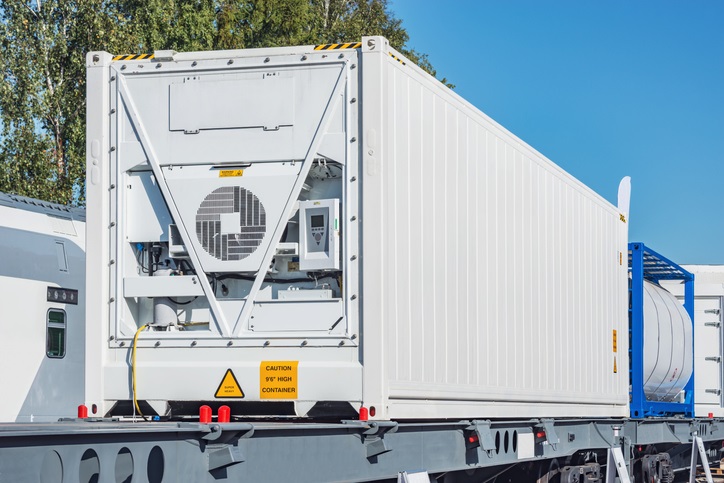
Reefer containers provide active temperature control for wine, beer and spirits during sea shipping and inland transport.
When trade lanes involve sustained heat exposure or precise temperature parameters are required, refrigerated containers maintain a defined climatic environment throughout the journey.
Reefer containers are typically selected when:
- Trade lanes present sustained extreme climatic exposure
- Transit duration increases cumulative heat risk
- Contractual agreements specify temperature parameters
- Organic or low-sulphite wines require tighter control
- Brand positioning demands maximum stability
Global wine, beer and spirits shipping routes can expose containers to high solar radiation, equatorial crossings and extended port dwell time.
Reefer containers maintain internal set points regardless of external fluctuation, helping prevent:
- Accelerated ageing
- Closure stress
- Label damage
- Heat-related flavour change
Temperature-controlled wine shipping using reefers is commonly deployed on long inter-hemisphere routes and during peak summer months.
Reefer containers provide active, continuous temperature control. Insulation liners provide passive temperature moderation.
Reefers are appropriate when exposure is sustained at Extreme levels or when precise set points are required. Insulation liners are typically selected where fluctuation needs buffering but not continuous refrigeration.
Selecting the correct solution depends on route risk, beverage sensitivity and commercial requirements. Each shipment should be assessed individually.
Temperature exposure varies significantly across global shipping routes. Solar radiation, equatorial crossings and seasonal variation can influence the internal conditions inside a container.
Using our VinRoute climatic analysis system, we assess historical minimum, average and maximum temperature and humidity levels across major beverage trade lanes. This insight helps determine whether a dry container, insulation liner or reefer container is the most appropriate option for each shipment.
Reefer deployment requires route knowledge, container availability planning and beverage-specific understanding.
We combine:
- Global trade lane insight
- Temperature risk assessment
- Beverage transport expertise
- Operational coordination
This ensures refrigerated containers are used where they add measurable value rather than as a default solution.
Our focus remains clear: protecting wine, beer and spirits with controlled, reliable temperature management during global transport.
A reefer container is a refrigerated shipping container that actively maintains a pre-set temperature during transport.
Unlike passive insulation, a reefer unit continuously regulates internal conditions, reducing the impact of external heat, cold and humidity fluctuations.
Temperature settings can typically range between -30°C and +30°C, depending on shipment requirements.
For highly sensitive wines, certain beers and temperature-critical spirits, this controlled environment supports consistent quality from loading to arrival.