Preventing bottle leaks during transport: How to support bottle integrity
Table of contents
- Introduction
- What is bottle integrity in beverage transport?
- Why does bottle integrity matter for importers today?
- Why do leaks occur during transport?
- How do pressure, closure type and vibration influence the seal?
- How does packing density, spacing and insulation support bottle integrity?
- What can importers do to help prevent leaks?
- How Hillebrand Gori can help prevent bottle leaks in transit
Wine, beer and spirits are crafted with care, so maintaining their quality through long journeys matters. Even small changes in temperature, humidity or motion can influence how a bottle behaves in transit. When closure integrity weakens, liquid movement, pressure shifts or vibration can create the conditions for a leak.
For beverage shippers, understanding these factors can lead to better planning and better outcomes. This article explores why leaks occur, how to protect different closure types, and which packing and insulation choices can support bottle integrity as alcoholic beverages move across global routes.
What is bottle integrity in beverage transport?
Bottle integrity refers to how well a bottle’s closure, packaging and structure hold up during transport. It includes seal performance, resistance to pressure variation and the protection around the bottle. When any of these elements is exposed to excessive heat, cold or humidity, the seal can weaken.
Beverages such as wine require stable conditions to prevent expansion and contraction. Beer is sensitive to temperature swings and motion, which can affect crown seals. Spirits rely on strong closure systems, yet high alcohol concentrations may interact with certain gasket materials if temperature conditions are not controlled. Each beverage type therefore benefits from planning that supports consistent seal performance.
Leakage risk increases when bottles are exposed to repeated temperature shifts during shipping and storage.
Why does bottle integrity matter for importers today?
Bottle integrity matters because quality outcomes depend on stable conditions. Temperature exposure plays a clear role in how wine evolves during storage and movement. Data from our quality indicator documents confirms that heat, cold and humidity can influence both closure performance and label appearance for wine, beer and spirits.
Market expectations are also rising. Retailers want beverages to arrive in optimum condition. Consumers make quick decisions based on the appearance of labels, and even a stained carton suggests stress during transport. Protecting the bottle therefore protects quality, brand reputation and long-term customer trust.Why do leaks occur during transport?
Leaks can appear when pressure inside the bottle changes. Temperature fluctuation can cause the liquid to expand or contract, placing stress on corks, gaskets or screw-cap seals. Motion adds another layer because vibration encourages liquid movement against the closure.
Humidity also plays a role. If the environment becomes too damp, natural cork can swell. If it becomes too dry, the cork can contract. Both situations can reduce the tightness of the seal. Beer bottles with crown caps may also be affected by lacquer softening in very warm conditions, which is noted in our beer risk indicator.
How do pressure, closure type and vibration influence the seal?
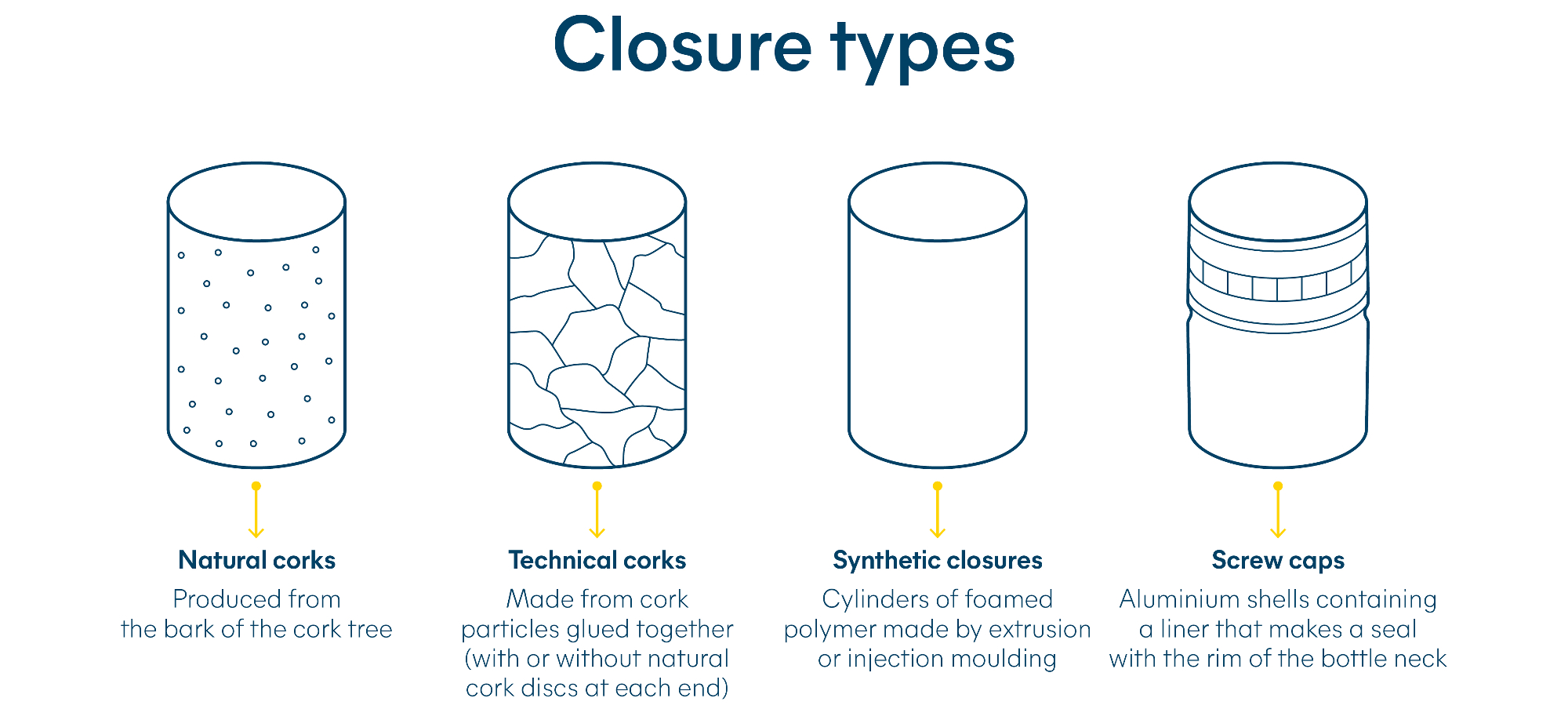
Different closure types behave differently under pressure, making bottle integrity a dynamic topic for importers and producers.
Corks rely on compression and elasticity. Temperature changes can influence the headspace pressure, which in turn influences cork stability. If bottles experience high heat, wine expansion can push upward. If exposed to cold, contraction can reduce pressure around the cork.
Screw caps rely on a gasket that must remain flexible. If temperatures rise too quickly, the gasket material can soften. For beer or spirits, high-strength liquids may place additional demands on the liner if the bottle is exposed to hot conditions.
Crown seals on beer are designed for secure sealing, but high temperatures or humidity can soften the lacquer on the underside. This may influence tightness and stability, especially when combined with vibration over long journeys.
When bottles experience high-frequency vibration, closures work harder to maintain their seal. Transport planning that reduces exposure to repetitive motion can support integrity outcomes.
How does packing density, spacing and insulation support bottle integrity?
Packing choices influence how bottles behave in transit. Tight spacing reduces movement, while consistent carton strength supports stability. Cardboard is sensitive to humidity, and internal studies show bending stiffness can fall when relative humidity rises beyond 70%, creating softer packaging conditions that may increase the risk of movement or abrasion.
Insulation adds another layer of support. By helping stabilise temperatures inside containers, insulation liners reduce the pressure fluctuation that closures experience. Internal trials and data confirms that insulation liner systems can limit temperature variation and create more stable conditions during long journeys, which benefits corks, crown seals and screw caps.
Importers and producers often benefit from integrating insulation covers, pallet spacing guidelines and route planning to keep beverages closer to their optimal temperature ranges.
What can importers do to help prevent leaks?
Below are practical steps that support bottle integrity during transport of wine, beer and spirits:
- Choose appropriate closure types and check creation conditions such as headspace and bottling temperature.
- Maintain stable temperature environments to reduce expansion and contraction.
- Use consistent packing density, strong cartons and spacing that reduces bottle movement.
- Add insulation liners or pallet covers when moving through climates with known variation.
- Review seasonal routes and plan for periods where humidity or temperature may pose risk.
How Hillebrand Gori can help prevent bottle leaks in transit
As a logistics partner specialised in wine, beer and spirits, Hillebrand Gori supports importers and producers with solutions designed to help keep bottles stable throughout transport. Temperature insights, insulation options and route-planning tools make it easy to anticipate conditions.
From beverage care guidance to container-level protection and myHillebrandGori visibility tools, every service aims to help preserve quality from origin to destination. Learn more in our blog and in our knowledge center:
https://www.hillebrandgori.com/media
https://info.hillebrandgori.com/knowledge-center
How can we help your business grow?