What does BAF mean in shipping?
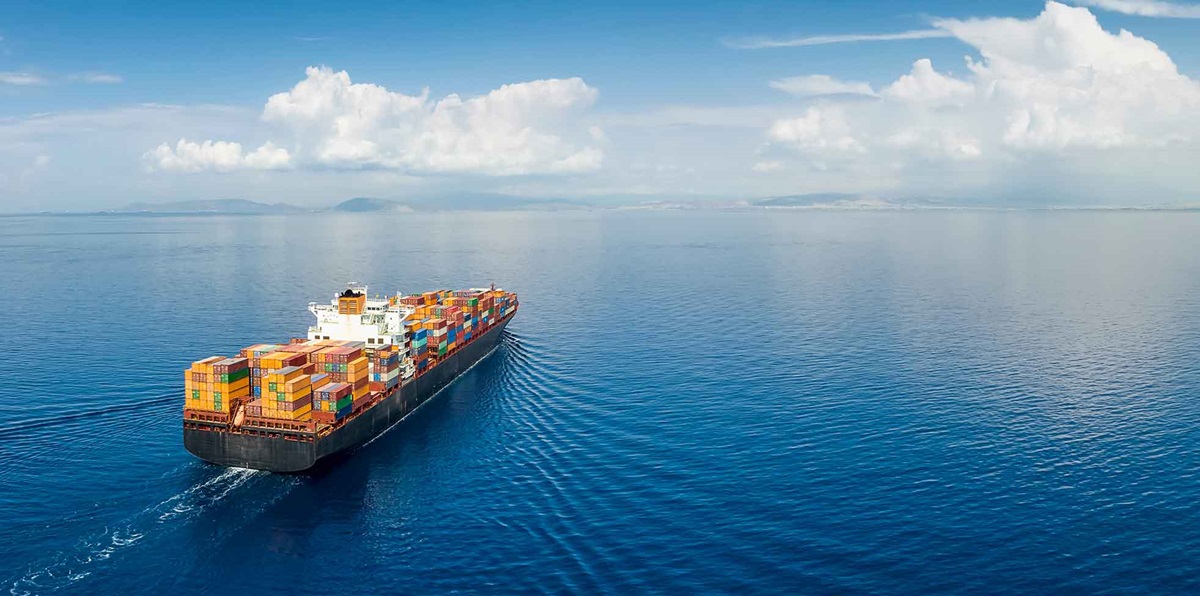
The Bunker Adjustment Factor (BAF) is a surcharge to cover changes in the price of shipping fuel. It’s added to the ocean freight rate to account for the fuel that will be used during transit. This allows carriers to adjust their rates based on changes in fuel prices.
Whether you are shipping over land or via a maritime route, the price of fuel makes up a portion of the cost of transportation. That’s why if you're paying to move wine, beer or spirits, understanding BAF can help you manage your costs more effectively.
What is BAF and why does it exist?
BAF stands for Bunker Adjustment Factor. Sometimes also known as a fuel or bunker surcharge, it’s applied by shipping companies to account for fluctuations in fuel prices. The BAF was introduced in the 1970s in response to an oil crisis, but it has evolved into a way to reflect changes in fuel costs. A BAF calculation incorporates the current price of fuel, the type of fuel, and the vessel’s fuel efficiency. By adjusting transport costs in response to fuel price fluctuations, BAF enables carriers to offer long-term rates, reducing the risk associated with volatile oil prices.

When is BAF applied?
The BAF is applied in the shipping industry to account for fluctuations in fuel prices. It is updated on a monthly or quarterly basis. The BAF rate is commonly tied to the cost of Brent crude oil, but varies between trade routes. It is periodically adjusted, usually on a monthly or quarterly basis.
What causes fluctuating fuel costs in shipping?
Individual shipping carriers set their own BAF rates, who in turn set their rates based on fluctuations in the price of oil. Your logistics partner may charge you the BAF rate quoted by the carrier or as a flat fee for a period of time covering more than one carrier.
Factors Influencing BAF Rates:
The BAF rates you are quoted can be influenced by a variety of factors:
- Crude oil prices: Shipping fuel is made up primarily of crude oil. This means that changes in crude oil prices directly impact shipping fuel costs, and therefore BAF rates.
- Shipment type: The BAF rate can vary between Less than Container Load (LCL) and Full Container Load (FCL) shipments. For FCL shipments, where a shipper uses a whole shipping container, the BAF is calculated per container required. For LCL shipments, where shippers share container space, the BAF rate is commonly tied to the number of pallet spaces occupied.
- Supply chain disruptions: Disruption due to weather, industrial action, geopolitical instability or logistical issues can all lead to fluctuations in the price of shipping fuel.
- Variation in demand: Demand for fuel can vary depending on the time of year, which in turn affects prices.
- Currency exchange rates: Variation in exchange rates can affect the cost of fuel, especially in countries that import oil.
These dynamics add up to a complex environment for fuel pricing, and therefore BAF rates, in maritime shipping. Having a clear idea of what you’re paying for, and how BAF surcharges might affect your freight rate can help you stay ahead of the curve.
How BAF helps stabilize pricing for shipping services
Fuel costs account for a portion of the overall cost of transporting alcoholic beverages. Fuel costs can also vary substantially across regions, shipping lanes, during geopolitical events and supply chain disruptions. Global oil markets can also shift, with immediate consequences for the cost of fuel.
By passing on fuel price fluctuations, BAF allows carriers to offer long-term rate agreements, ensuring greater stability in transport costs over time.
How does fuel price vary by region and market trends?
Before 2018, the BAF for Transpacific routes was set quarterly by the Transpacific Stabilization Agreement (TSA). Since the TSA disbanded, shipping lines now determine their own independent BAF rates. In Europe, the European Commission monitors fuel-related costs through the Weekly Oil Bulletin to ensure transparency and fair competition.
Key ports where ships can be refueled tend to be associated with more stable fuel prices. This includes Singapore, Rotterdam and Houston.
There are also different types of BAF rates that may be used by the carrier:
Floating BAF: This surcharge fluctuates in response to changes in oil prices, ensuring that fuel cost variations are reflected in transport rates.
Fixed Fuel Cost Agreement: Instead of a traditional BAF, some carriers and shippers agree on a fixed fuel cost for a set period. While this provides cost certainty, it is not technically a BAF, as it does not adjust in line with fuel price changes.
BAF rates also vary between trade lanes. For example, Maersk’s BAF rates for the Americas to Oceania from October 2024 in a 20ft dry container is 658 USD. In contrast, their equivalent rate for the West Coast North America - Far East Asia trade lane is 105 USD.
Environmental regulations and their impact on BAF rates
Green hydrogen, bio- and e-methanol, are emerging as frontrunners in the drive towards maritime decarbonization. These fuels align with the EU’s ETS and FuelEU decarbonization regulations for the shipping industry, with a goal of net-zero shipping by 2050.
From the beginning of 2025, the costs of fuel bunkering are also increasing to meet FuelEU Maritime regulations, which aims to reduce greenhouse gas emissions from the shipping sector by promoting the use of cleaner fuels. The FuelEU Maritime regulation affects bunker prices by increasing the cost of fossil fuels such as Very Low Sulfur Fuel Oil (VLSFO), and reducing the cost of sustainable fuels.
EU ETS surcharges for vessel emissions are also increasing (up from 40% to 70%) from 1st January 2025. However, as well as being more sustainable, bio and e-methanol fuels are also cheaper alternatives to fossil fuels. The impact of these environmental regulations on the cost of BAF fuels will continue to develop as the new greener shipping fuels, infrastructure and technology become established. In the near future, BAF rates for green marine fuels could cost less than traditional bunker fuel.
Ready for a quote? We can help
Get in touch with our logistics experts for a freight quote for your wine, beer or spirits’ shipment. We can help provide clarity on the freight rate, surcharges and BAF rate applicable for your shipment, so you can make the right decision for your business.
Reviewed by Hillebrand Gori
The BAF rate is calculated using the formula: BAF = Fuel Prices x Trade Factor. The trade factor is baked on average fuel consumption according to the route, travel distance, size of the container, and other factors.
BAF rates are set by individual shipping lines, but are monitored for collusion by the EU Commission.
The Bunker Adjustment Factor (BAF) applies to all types of cargo. However, the BAF rate does vary depending on the size of the container required, so if your cargo requires more space, this may attract a higher BAF rate.
How can we help your business grow?
-ebook-1---global-freight-forwarding/hil---cta-post---yellow.jpg?sfvrsn=5e55bfc5_2)