Beverage packaging logistics: how to transport bottles, cans, barrels and closures
Table of contents
- Introduction
- What is beverage packaging logistics?
- What types of beverage packaging can be transported?
- Why does beverage packaging need specialist transport planning?
- How can transport conditions affect beverage packaging?
- How can beverage packaging be protected during transport?
- How does packaging logistics support production continuity?
- Can beverage packaging logistics support sustainability goals?
- How can Hillebrand Gori help with beverage packaging logistics?
Beverage packaging plays an important role in product quality, brand presentation and production continuity. Bottles, cans, barrels, kegs and closures need to reach beverage producers in the right condition and at the right time.
This makes beverage packaging logistics more than the movement of materials between two locations. It requires coordination around production schedules, an understanding of how different packaging types respond to transport conditions and visibility throughout the journey.
With the right planning, packaging producers can support their customers across the wine, beer, spirits and non-alcoholic beverage industries while managing international supply chains more easily.
What is beverage packaging logistics?
Beverage packaging logistics covers the planning, transport, protection and management of packaging used by beverage producers.
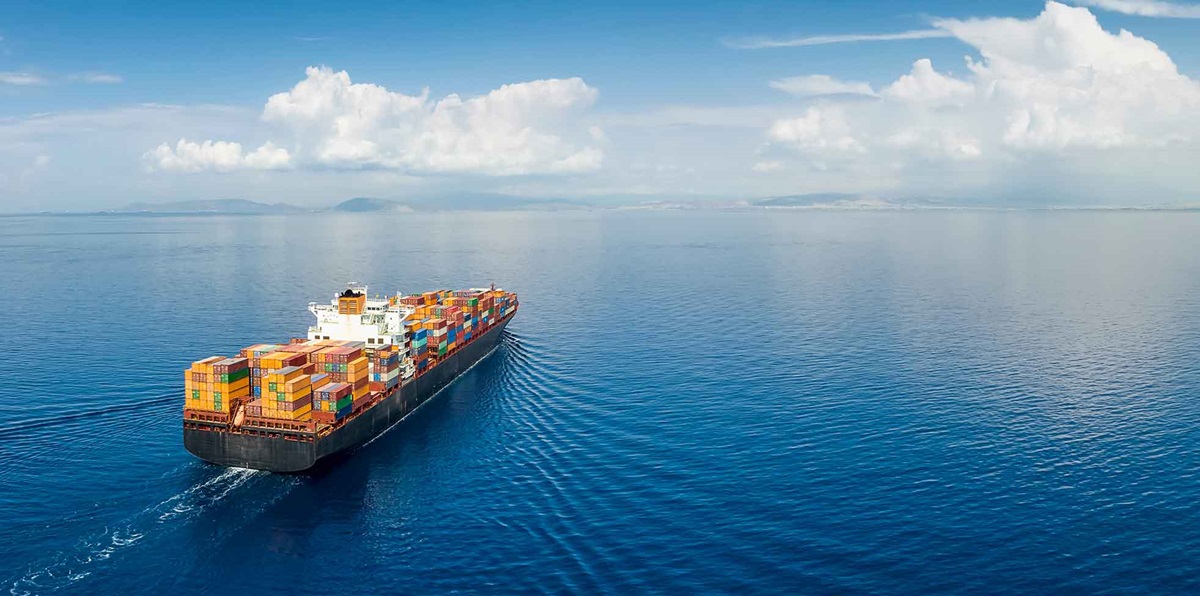
Packaging may travel from a manufacturing site to a bottling facility, brewery, distillery, winery, warehouse or other production location. It may move domestically or internationally using sea freight, road, rail or a combination of transport modes.
Each movement needs to align with the packaging producer’s delivery commitments and the beverage producer’s filling or production schedule. Delayed or incomplete deliveries can affect the availability of packaging at the point of production, making coordination and visibility important throughout the journey.
A logistics provider with beverage-sector experience, like Hillebrand Gori, can help packaging producers plan these movements around the needs of their customers.
What types of beverage packaging can be transported?
Packaging producers supply a wide range of products to beverage businesses. Each type has its own handling, environmental and delivery considerations.
Common examples include:
- Glass bottles for wine, beer, spirits and non-alcoholic beverages
- Aluminium cans and other metal packaging
- Oak barrels, staves and wooden components
- Kegs used for beer and other beverages
- Corks, caps, stoppers and other closures
- Labels, cardboard cartons and secondary packaging
Some packaging is transported as a full container load. Smaller or more frequent orders may be suited to groupage or less-than-container-load services. The right option depends on shipment volume, destination, production deadlines and the characteristics of the packaging.
Why does beverage packaging need specialist transport planning?
Packaging quality can influence how a beverage is filled, stored, presented and enjoyed. Specialist planning helps packaging arrive ready for its intended use.
Glass bottles require careful handling and secure palletisation. Cans and other metal packaging benefit from protection that supports their shape and surface finish. Corks and wooden products respond to moisture, temperature and surrounding odours. Cartons and labels also perform best when exposure to humidity and condensation is considered during transport.
Delivery timing is equally important. Packaging producers often need to coordinate orders with the production plans of wineries, breweries, distilleries and other beverage manufacturers.
A transport plan that considers the packaging type, route, climate and delivery schedule can support both packaging quality and production continuity.
How can transport conditions affect beverage packaging?
International transport may include inland movements, terminal handling, storage and sea freight. Packaging can therefore pass through several climates and environments before reaching the customer.
Temperature fluctuations may contribute to condensation inside a container. Humidity can affect cardboard, labels, corks and wooden components. Container cleanliness and surrounding odours are also important considerations for packaging that will later come into contact with beverages.
Climatic data and route analysis can help identify the conditions a shipment may experience. Packaging producers can then consider the most appropriate routing, equipment and protective measures for the journey.
This creates a transport plan based on the needs of the packaging rather than applying the same approach to every shipment.
How can beverage packaging be protected during transport?
Protection begins with understanding the packaging and its journey. The selected container should be clean, dry and suitable for the materials being transported. Palletisation and load planning can help keep packaging stable during handling and movement.
For routes with changing climatic conditions, an insulation liner may also be considered. Installed inside a standard dry container, an insulation liner can help reduce exposure to temperature fluctuations and limit condensation risk.
This can be useful for moisture-sensitive or temperature-sensitive packaging such as corks, wooden barrels, cartons and labels. The suitability of an insulation liner depends on the packaging, route, season and expected journey conditions.
Combining route analysis, appropriate equipment and protective solutions can help packaging producers maintain quality throughout transport.
Take a look at our temperature-controlled transport options here.
How does packaging logistics support production continuity?
Packaging is often ordered in line with planned filling, bottling or canning activity. Visibility over departure dates, estimated arrival times and shipment milestones helps packaging producers coordinate with their customers.
Warehousing and inventory management can provide further flexibility. Packaging can be held closer to the production location and released in line with demand. This may help beverage producers manage available space while giving packaging suppliers greater visibility over upcoming requirements.
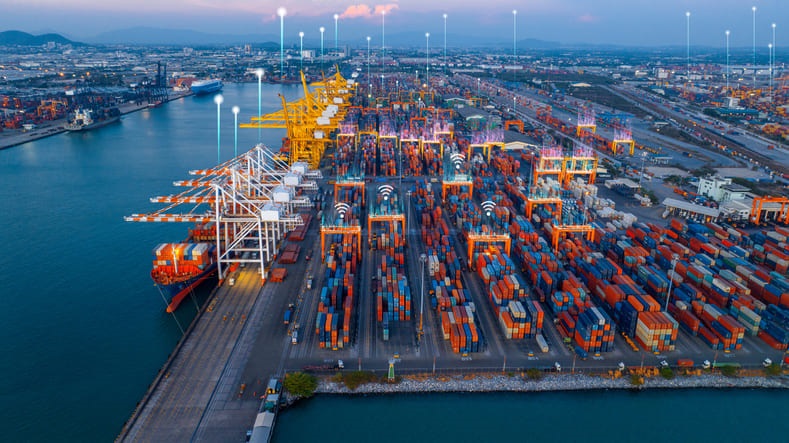
Digital logistics platforms can also bring shipment information, documentation and reporting together. Through myHillebrandGori, customers can manage transport activity and follow shipment progress from one place.
This connected approach supports communication between packaging producers, logistics teams and receiving locations.
Can beverage packaging logistics support sustainability goals?
Transport planning can form part of a packaging producer’s wider sustainability strategy.
Shipment consolidation and appropriate container utilisation can help make efficient use of available transport capacity. Groupage services can provide an option for smaller volumes by combining compatible shipments moving along the same trade lane.
Lower-emission transport options may also be considered as part of the transport plan. Emissions reporting can give packaging producers greater visibility over the footprint associated with their shipments and support internal and customer reporting.
The appropriate approach depends on the trade lane, shipment size, delivery schedule and sustainability objectives.
Learn more about lower-emission transport here.
How can Hillebrand Gori help with beverage packaging logistics?
Hillebrand Gori supports packaging producers across beverage supply chains. Its teams help plan and manage the transport of bottles, cans, barrels, kegs, corks, closures, cartons and other packaging supplied to beverage producers.
Specialist support can include route and climate analysis, transport planning, customs coordination, warehousing, inventory management and protective solutions such as insulation liners. Digital visibility through myHillebrandGori helps customers follow shipments and access relevant transport information and documents.
Hillebrand Gori’s global network and beverage-sector experience can help packaging producers coordinate deliveries with customer requirements, maintain visibility and support production continuity.
By working with one logistics partner, packaging producers can manage international transport more easily and support customers across the wine, beer, spirits and non-alcoholic beverage industries.
Speak to a Hillebrand Gori beverage logistics specialist to discuss upcoming beverage packaging transport requirements.
.png?sfvrsn=6674e421_1)