Atlantic trade route: a key corridor for alcoholic beverages
The Atlantic trade route, is one of the most crucial corridors for global commerce, linking North America, Europe and Africa. This vast expanse of sea enables the transport of products between continents, including one of the most significant industries—alcoholic beverages. For centuries, this route has played a vital role in facilitating the exchange of wine, beer, and spirits, making it an essential artery for importers and exporters within the industry.
Alcoholic beverages rank at number 31 on the world’s most trade products list, according to the Observatory of Economic Complexity (OEC). At that time in 2022, France was the top exporter and the USA the largest importer. Both of these countries exchange the wine, beer and spirits they produce via the Atlantic trade route.
As of 2024, the OIV reports that around 66% of the top 12 wine exporting countries and 83% of the top 12 importing countries are connected to the Atlantic trade route.
For centuries, this route has played a vital role in facilitating the exchange of wine, beer and spirits, making it an essential artery for importers and exporters within the industry. Dating back to the colonial era, ships laden with wine, beer and spirits would cross the ocean, delivering these beverages to European settlers in the Americas and beyond. Today, this route connects some of the most significant wine and spirit-producing regions to major global markets.
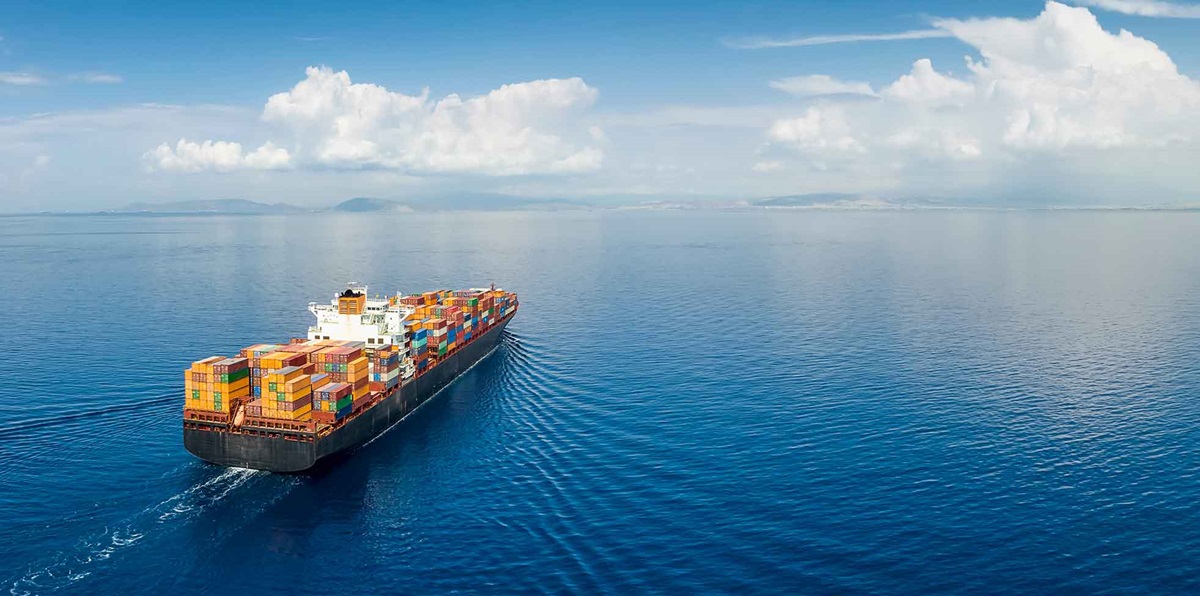
With the invention of the shipping container in the mid-20th century, the Atlantic trade route saw a revolution in logistics. Standardized containers made it possible to move goods more efficiently, safely and cost-effectively. This modern innovation has enhanced the ability to transport alcoholic beverages in large quantities, preserving their quality throughout the journey. This streamlined the flow of wine, beer and spirits across continents, reducing handling times and improving the overall import-export process.
Numerous key ports along the Atlantic trade route are instrumental in the movement of alcoholic beverages. Each of these ports plays a vital role in facilitating trade and ensuring the smooth flow of wine, beer and spirits from producers to consumers.
These ports are not just logistical hubs but essential gateways that facilitate the global flow of wine, beer and spirits. Their infrastructure, access to key markets and efficient handling services make them indispensable to the alcoholic beverage supply chain.
The Atlantic trade route connects many of the world’s top wine, beer and spirits producers with consumers worldwide. Common origins for alcoholic beverages transported along this route include renowned wine regions like Bordeaux and Napa Valley, beer producers from Belgium and Germany, and spirits distillers from Scotland, Ireland and the Caribbean. These beverages find their way to distributors, retailers, and consumers in major cities across North America, Europe and Africa.
One of the key logistical considerations for transporting alcoholic beverages along the Atlantic route is maintaining the quality of the beverage, mainly wine and beer. These drinks are sensitive to temperature fluctuations, so climate-controlled shipping is essential. The use of insulation liners or refrigerated containers helps bottles of wine, beer and spirits to reach their destination in optimal condition, preserving their quality and taste.
Seasonal factors also come into play. For example, South Africa’s windy season can pose challenges at the port causing delays, while summer months across the entire Atlantic trade route may require more attention to temperature control measures. Importers and exporters should take these factors into account when planning shipments to avoid delays and protect the quality of the beverages.
Hillebrand Gori is a trusted partner for importers and exporters of wine, beer and spirits. We have decades of experience in the logistics of alcoholic beverages. Before arranging the transport of any shipment, it is important to be aware of any logistical challenges or port congestion along your routing. Our trade lane update webpage has the latest information about the major wine, beer and spirits shipping routes. You’ll also find essential information on our port updates webpage.
Explore our sea freight services for wine, beer and spirits for specialist support across global beverage trade lanes.
Reviewed by Hillebrand Gori
It connects key regions in North America, Europe and Africa, which are major producers and consumers of wine, beer and spirits. Its historical significance and modern infrastructure makes it a vital corridor for the global movement of these alcoholic beverages.
Seasonal weather conditions, such as rough seas in winter and high temperatures in summer, can affect shipping schedules. Planning ahead and using insulated or reefer containers can help to minimize delays and protect the quality of your beverages.
The Atlantic trade route contributes around $2.5 trillion in economic activity and provides jobs on both side of the Atlantic.